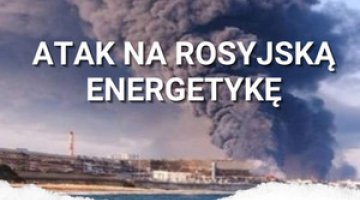
Russia: the government is powerless in the face of the fuel crisis
Since the end of May, Russia has been experiencing a fuel crisis marked by physical shortages of fuel across most regions of the country, accompanied by rising prices for petrol and diesel. This disruption – considered the most severe in the fuel sector since the establishment of the Russian Federation – directly results from ongoing Ukrainian strikes on energy infrastructure, particularly oil refineries, which have continued since March. The Armed Forces of Ukraine have struck every major oil refinery in the European part of the Russian Federation at least once and, in early July, for the first time also targeted the largest operational refinery in Omsk, Siberia.
The strikes have resulted in a record decline in oil refining, with throughput falling to 4.1 million barrels daily in June, according to Kpler data (during the summer of 2025, the figure ranged between 5 and 5.2 million bbl/d). Compared with the average refining throughput recorded in 2022 – before the onset of Ukrainian strikes – processing volumes have fallen by nearly one third. The refinery crisis is reflected in rising prices: since the beginning of the year, Russia’s Federal State Statistics Service (Rosstat) has recorded retail price increases of 11–12% for both petrol and diesel, roughly twice the official inflation rate. These figures do not fully capture the even steeper increases on the commodity exchange, where prices have risen by as much as 40% since January 2026, as budgetary subsidies to the sector have helped to shield retail consumers from the full impact.
The severity of the crisis has compelled the Russian authorities to respond, although their actions have so far been limited to emergency regulatory measures. These steps are likely to mitigate only some of the consequences of the fuel shortage. Fuel rationing has been introduced in approximately half of Russia’s regions. The Russian government has also increased petrol imports (primarily from Belarus, and, more recently, India), authorised the production of fuel that meets lower emissions standards, and amended the regulations governing state subsidies for the fuel sector.
If Ukraine maintains the current frequency of its strikes, the situation is likely to worsen further, as the ongoing attacks will impede the completion of repair work while fuel reserves continue to decline. Additionally, successful Ukrainian efforts to disrupt foreign fuel supplies and their distribution, including potential strikes on port infrastructure and fuel storage facilities, cannot be ruled out.
Commentary
- The current crisis in the Russian fuel market is without precedent. Amid heightened summer demand for fuel, sustained pressure from Ukrainian strikes has caused a significant reduction in refinery operations and, in some cases, their complete suspension (in Tuapse, Moscow, and Kirishi). Unlike the previous series of attacks (summer 2025), the current campaign is characterised by increased frequency and scale. Unmanned aerial vehicles are also targeting secondary refining units, whose repair is particularly challenging due to a lack of access to Western components.
- The effects of the fuel crisis are spilling over into other sectors of the economy, making it the most visible consequence of the war in the broader public perception. The sharpest increases in fuel prices are recorded primarily at filling stations that are not owned by oil companies (approximately two-thirds of all outlets). These businesses purchase fuel directly from producers or on the commodity exchange, which forces them to raise their margins significantly above the rate of inflation to remain profitable. Elevated wholesale prices are also increasing the cost of road freight transport and reducing farmers’ margins (amid concerns over fuel supplies for agricultural machinery, a ban on diesel exports was introduced on 8 July). Over time, these factors will affect the prices of other goods. Furthermore, fuel price increases that exceed the overall inflation rate (approximately 5.3% in May) reduce the likelihood that the Central Bank of Russia will continue its cycle of interest rate cuts. The negative impact of the crisis on society is already evident in opinion polls – both those measuring approval of the authorities’ performance (conducted by VTsIOM and the Levada Centre, which report the lowest levels of support for Putin in five years) and those assessing public perceptions of the country’s economic situation (Gallup).
- The magnitude of the crisis has compelled the authorities to publicly acknowledge the issue and to implement socially burdensome rationing measures. Until June this year, official communication from the Kremlin referred only to ‘unscheduled refinery outages’, downplaying the scale of the Ukrainian strikes. However, as fuel shortages became apparent in the retail market, the authorities publicly admitted that the problem did in fact exist. At the same time, government representatives attempted to attribute part of the crisis to the public, claiming that ‘panic buying’ had artificially inflated demand by 20–30%. To address this, regional authorities introduced rationing measures, including purchase limits and bans on filling jerrycans at filling stations. At the same time, the Kremlin has refrained from implementing broader systemic solutions, such as full liberalisation of fuel prices to rebalance the market through demand reduction. According to the authorities, such a step would further worsen consumer sentiment and accelerate price increases.
- The crisis is generating substantial financial costs for both Russian oil companies and the state budget. In an effort to alleviate supply disruptions, the government has increased petrol imports. The subsidy mechanism for the fuel sector has also been extended to include imported volumes, aiming to reduce end-user prices in the domestic market. The level of support is determined by fuel prices in India and related logistics costs, as India offers the greatest potential to mitigate Russia’s supply deficit. At the same time, the fuel industry is seeking tax relief to finance the modernisation of damaged refineries, as oil companies face considerable repair and reconstruction costs.
- Supply constraints are expected to persist at least until the end of summer and, in the absence of systemic measures or a reduction in the frequency of Ukrainian strikes, may extend well beyond that timeframe. If the current intensity of attacks continues, Russian authorities will be unable to rebalance the market without implementing significant regulatory reforms (such as full price liberalisation) or substantially increasing and maintaining fuel imports. Furthermore, the strikes, which have reduced refining capacity, may lead to a prolonged decline in Russia’s oil production, negatively affecting state budget revenues.